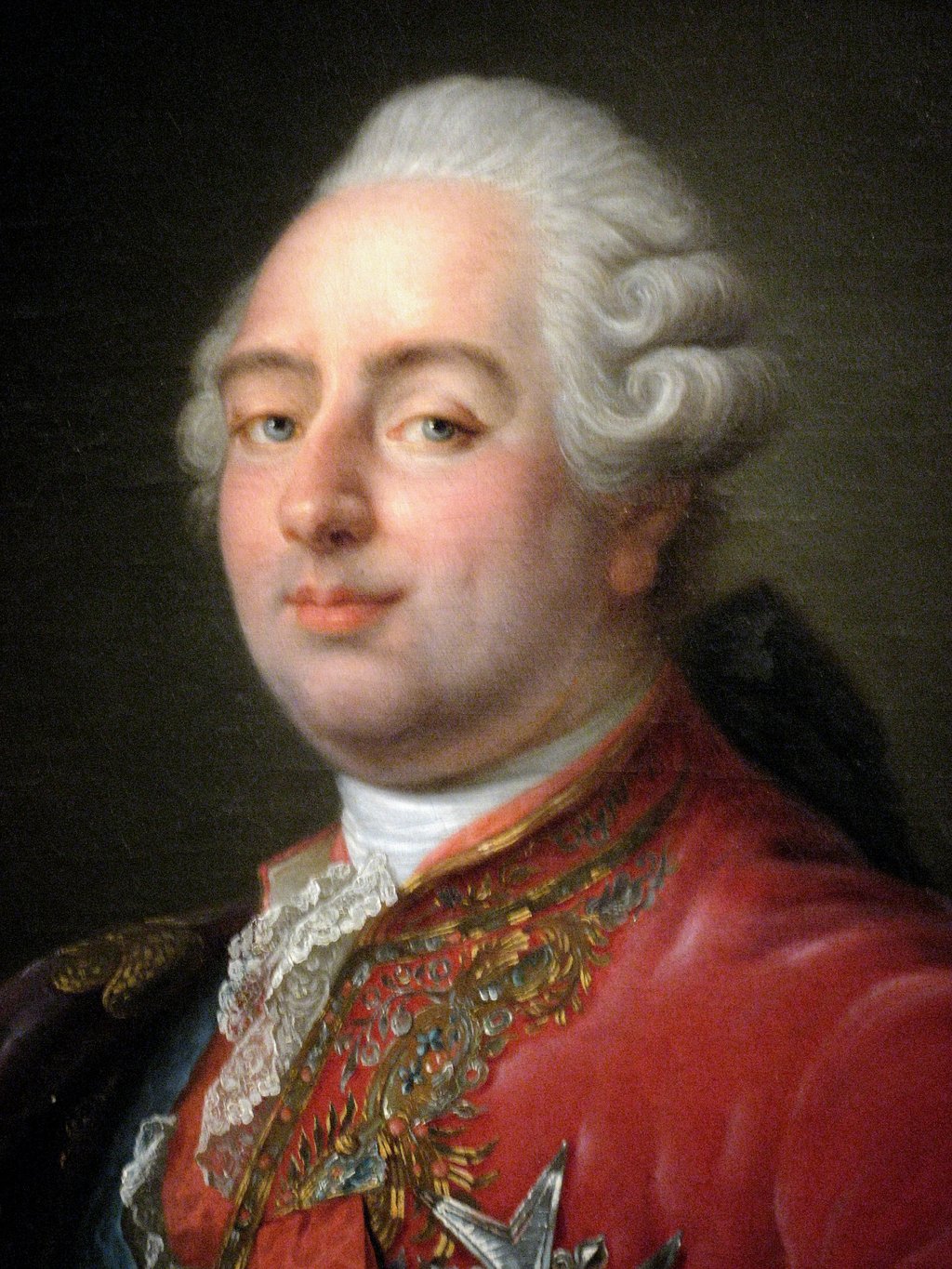
King Louis XVI of France
The Stupid King: The Relationship Between the Education of Louis XVI and His Decision Making in Revolutionary France
This research centers around the common assumption that Louis XVI was stupid and argues against a specific aspect of his intelligence: his decision-making capabilities. Among his least desirable traits, Louis XVI’s decisions during the French Revolution have often been called into question, one of which has gone down as one of the greatest political blunders in history, his decision to leave behind a letter of grievances when he and his family attempted to flee the country in 1791. Primary source evidence provides a key to understanding his decision at this pivotal moment by analyzing the letter he wrote alongside documents from his education, showing a startling connection between the ideas presented in the letter and the education he received as dauphin.
The Despotic Tyrant: An Examination of the Political Character of Louis XVI According to Philosophe Definitions
A pseudo-continuation of the previous project, this was an intense study of the words despot, monarch, and tyrant, in order to establish the political character of Louis XVI’s reign. Was Louis XVI as despotic and tyrannical as French revolutionary leaders alleged? This research utilizes extensive etymological analysis of the three terms by analyzing primary sources from two French philosophes who inspired the French Revolution, Jean-Jacques Rousseau and the Baron de Montesquieu. By gaining a deep understanding of the terms as French revolutionaries knew them, a more accurate characterization of Louis XVI’s reign is revealed. The essay also features a fictional conversation between the king and two philosophes that introduce and conclude the etymological and political analysis.
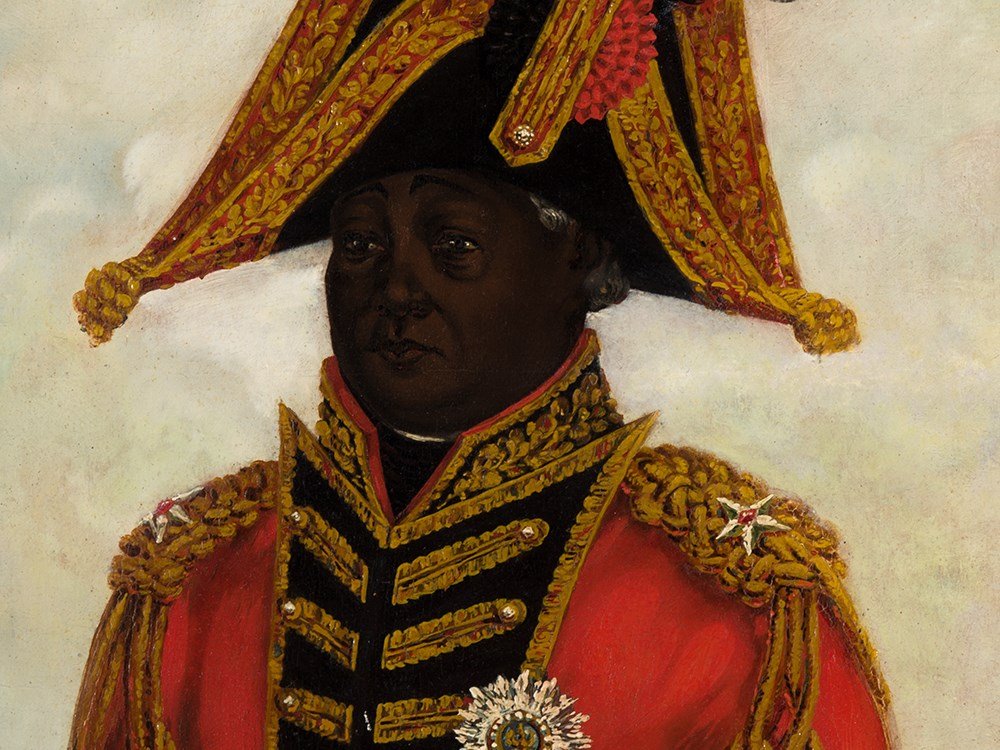
King Henri I of Haiti
A Creole Monarchy: King Henri I of Haiti and the Development of a Caribbean Political Ideology
This research seeks to provide a political characterization of the Haitian monarchy (1811-1820), and its ruler, King Henri I. A leader of the Haitian Revolution, Henry Christophe eventually became the President of Haiti, before being crowned King. By analyzing primary source documents from the kingdom to establish the intentions and inspirations behind the decision to form this particular form of government, a clear picture is painted of the singular uniqueness of the Haitian monarchy. Although it was inspired by European models and was purposefully portrayed as such, the Haitian monarchy operated in an entirely different manner and was founded on a unique set of ideals. The Haitian royal government stands alone as a one-of-a-kind political system, a Creole monarchy.
Ernesto ‘Che’ Guevara
‘It Was Beauty Killed the Beast’: The Humanitarian Values of Ernesto ‘Che’ Guevara
Seeking to understand why ‘Che’ left the relative safety of Cuba in 1967, this research analyzes a few of his many writings in order to glean a clearer picture of the ideals of one the United States government’s most notorious enemies. A staunch humanitarian and believer in the innate potential of humanity, this essay draws upon his speech Message to the Tricontinental, his essay Man and Socialism in Cuba, and his final, unfinished work, The Bolivian Diaries, as well as numerous secondary scholarly sources for support. Rather than taking a conventional approach and focusing on his ideas on economics and guerrilla warfare, this research focuses on his relationship with humanity, providing the opportunity to peer through political ideations and see the man behind the iconic image.

The Black West
Oklahoma & the “Green Book”
Utilizing geographic information systems, this research and multimedia project tracks various iterations of The Negro Motorists’ Travel Guide, focusing on the state of Oklahoma, to illustrate the geospatial dimensions of white supremacist ideology. The Travel Guide, which became famous for its trademark green cover, allowed Black Americans the opportunity to safely plan out their travels during the era of segregation, and was of vital importance for Black travelers in the Jim Crow South.

The Green Book
The Tulsa Race Massacre
This project involved the creation of a fictional newspaper, meant to depict several aspects surrounding the topic of the 1921 Tulsa Race Massacre. The newspaper includes an article reporting on the massacre, a fictional first-person account of the events drawn from actual stories, analysis of a poem on racism and media, a short story relating to a personal experience, reporting on a modern-day musical reference to the massacre, and various other pieces to round out the newspaper.
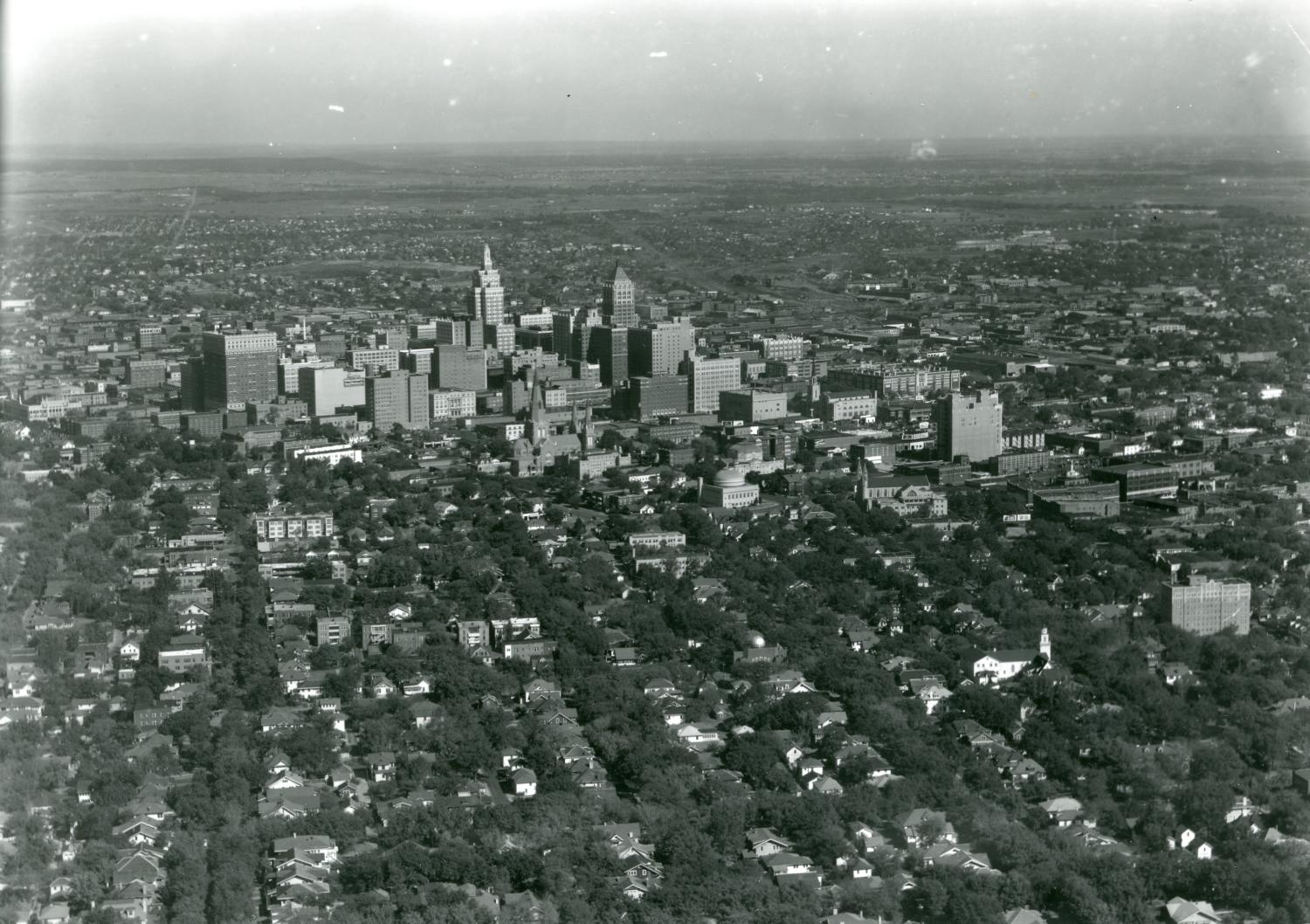
The Tulsa Race Massacre
 The Writings of Bryton Chain