King Henri I of Haiti
A Creole Monarchy: King Henri I of Haiti and the Development of a Caribbean Political Ideology
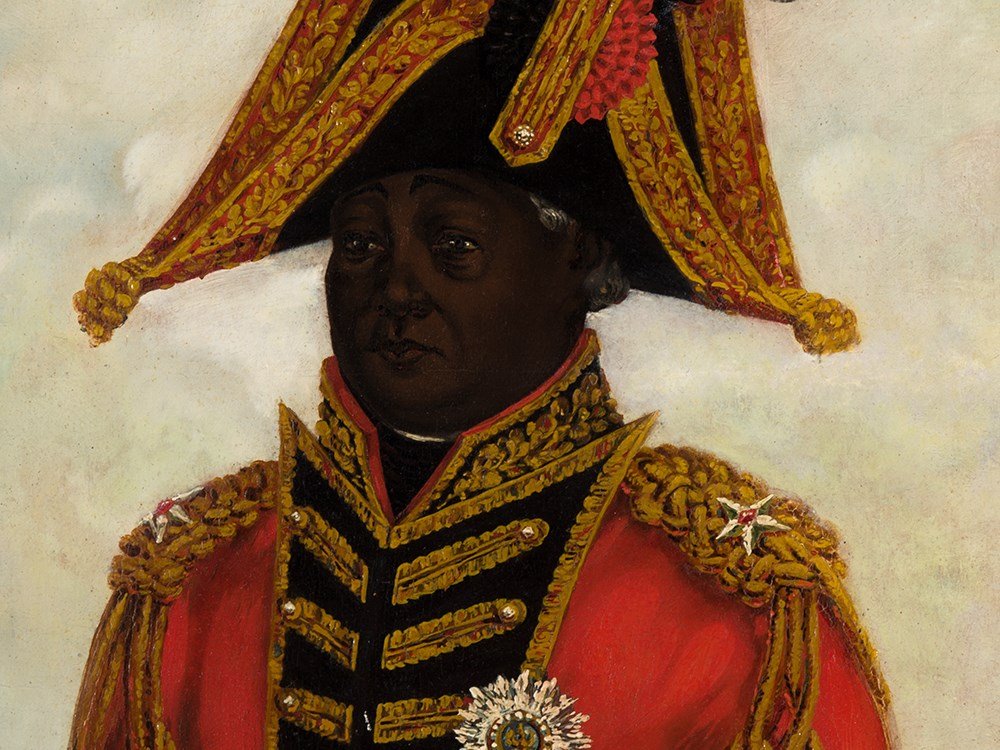
This essay offers a political characterization of the Haitian monarchy (1811–1820) and its founder, King Henri I. A veteran of the Haitian Revolution, Henri I rose from military commander to President of the State of Haiti before establishing himself as monarch of the northern kingdom, a decision that has invited both admiration and skepticism from historians. Through close analysis of primary source documents produced by the monarchy and the Haitian Council of State, this research reconstructs the ideological foundations and political intentions behind Christophe’s decision to adopt monarchical government, situating that decision within the broader context of post-revolutionary Caribbean politics. The essay argues that the establishment of the monarchy was driven above all by the urgent need for international recognition – that a monarchical government, modeled on the familiar forms of European statecraft, would signal legitimacy to the Atlantic world. Bound up with that ambition were equally pressing practical imperatives projecting internal stability to attract foreign economic investment, securing military alliances as a hedge against the ever-present threat of French reinvasion, and, above all, ensuring that the formerly enslaved people of Haiti would never again be reduced to bondage.
The Black West
The Tulsa Race Massacre
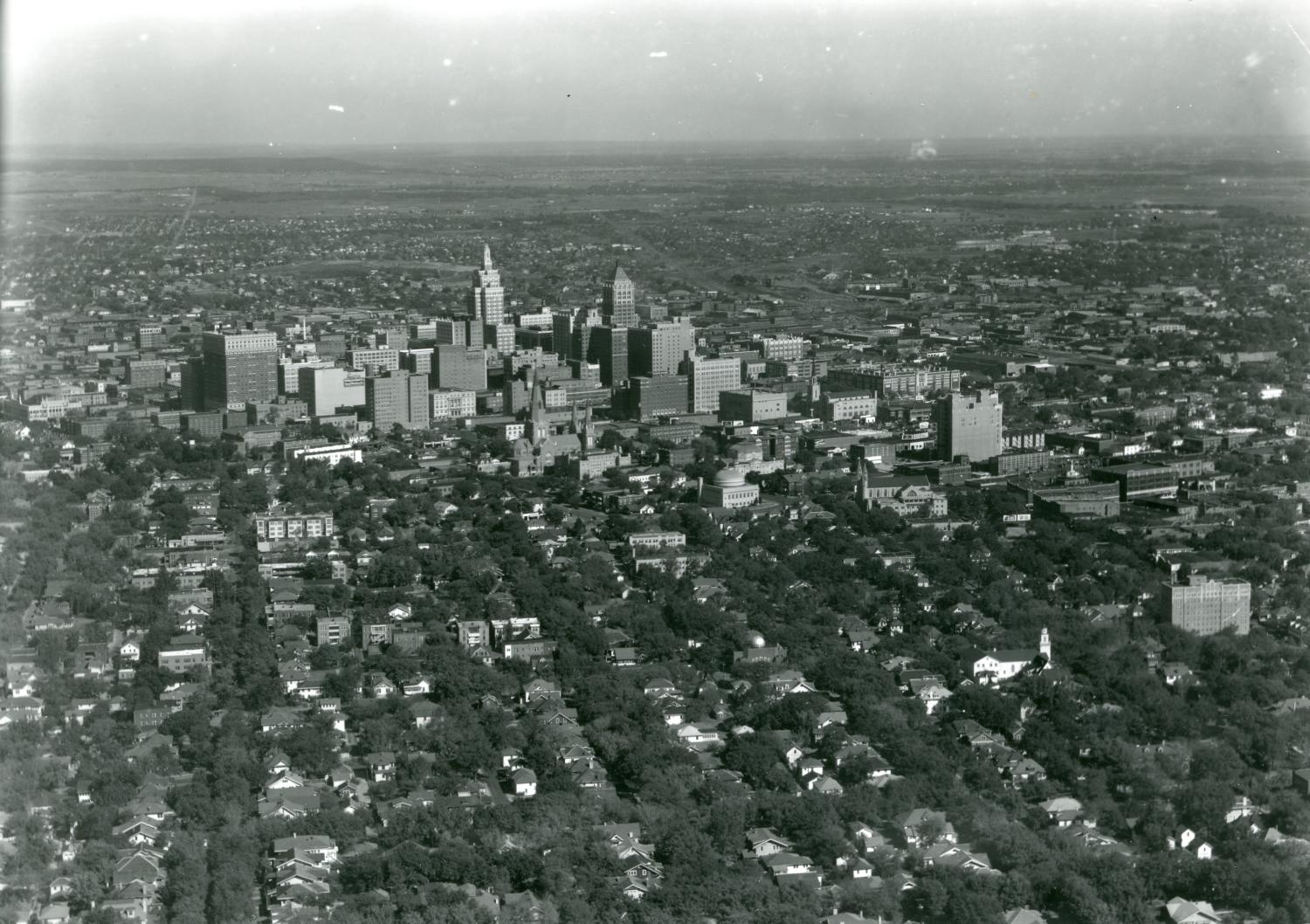
This project takes the form of a fictional newspaper constructed around the 1921 Tulsa Race Massacre, employing creative and analytical writing in tandem to illuminate multiple dimensions of the event and its legacy. The newspaper brings together a reported account of the massacre itself, a fictional first-person narrative drawn from historical testimony, a critical analysis of a poem on racism and media representation, a short story drawn from personal experience, and an examination of a contemporary musical reference to the massacre. The format is deliberate – the newspaper as a historical artifact and a vehicle for storytelling allows the project to engage the massacre not only as a historical event but as a subject of memory, representation, and ongoing cultural reckoning.
The Tulsa Race Massacre
Oklahoma & the “Green Book”
This research and multimedia project employs geographic information systems to map the spatial dimensions of racial segregation in Oklahoma through the lens of The Negro Motorists’ Travel Guide. Tracking multiple editions of the Guide — popularly known as the Green Book — across the state, the project visualizes the geographic contours of white supremacist ideology as they shaped the everyday mobility of Black Americans during the Jim Crow era. By rendering the Guide’s data spatially, the project moves beyond the document as a historical artifact and treats it as a record of the landscape of racial terror that Black travelers were required to navigate, illuminating the degree to which segregation was not merely a legal condition but a profoundly geographic one.

The Green Book
King Louis XVI of France
The Stupid King: The Relationship Between the Education of Louis XVI and His Decision Making in Revolutionary France
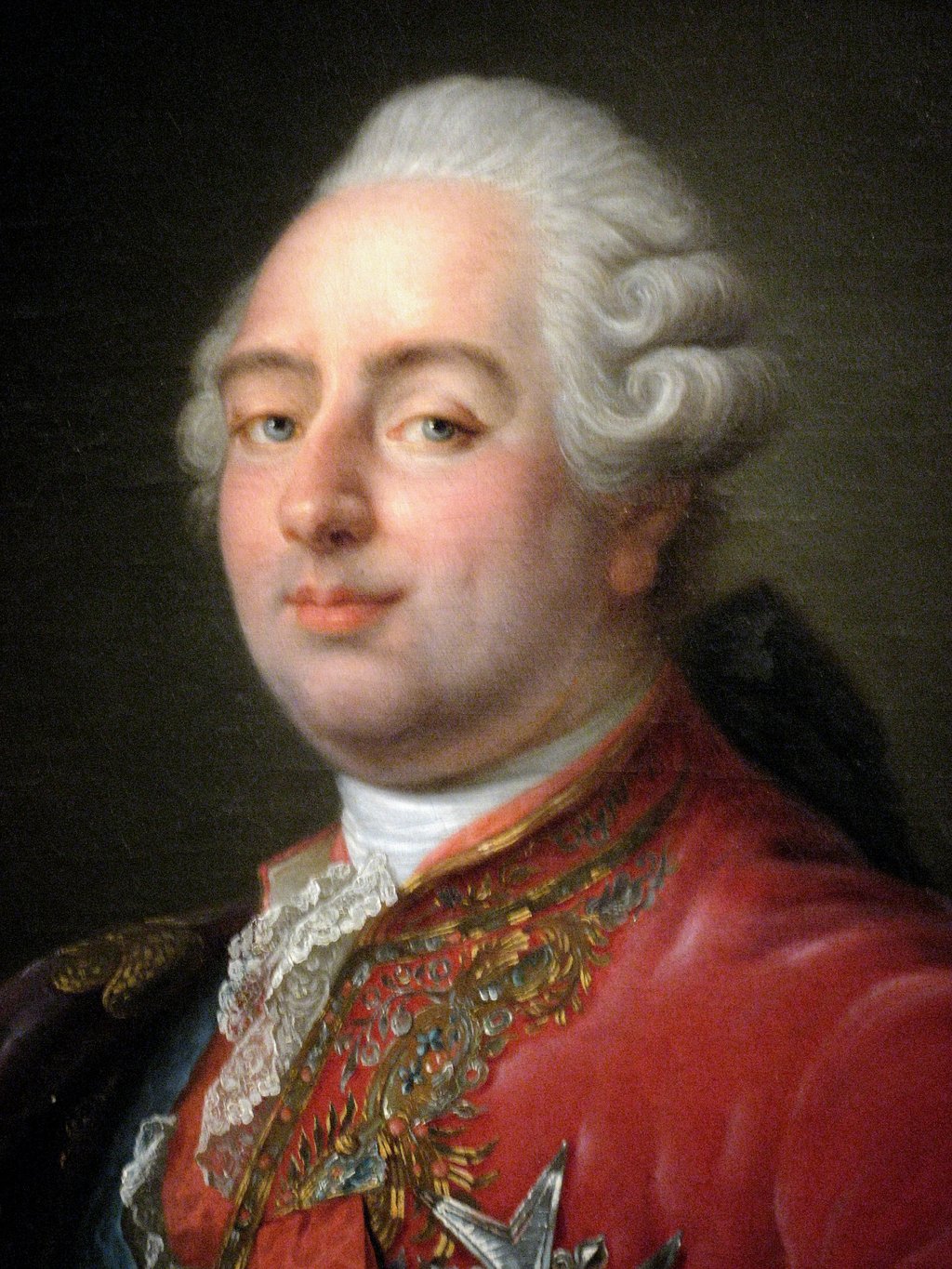
This essay interrogates the longstanding assumption that Louis XVI was intellectually deficient, focusing specifically on his capacity for political decision-making. Historians of the French Revolution have long debated the extent to which Louis XVI’s personal failings – rather than structural or ideological forces – contributed to the monarchy’s collapse. This research intervenes in that conversation by challenging reductive characterizations of the king’s judgment. Among the most scrutinized episodes of his reign is his decision to leave behind a letter of grievances during the ill-fated Flight to Varennes in 1791 – widely regarded as one of the defining political miscalculations of the revolutionary era. Through close analysis of that letter alongside primary documents from his education as dauphin, this research reveals a striking correspondence between the ideas he expressed and the political and moral instruction he received in his youth, suggesting that his decision was not a failure of intellect but a reflection of deeply internalized values – offering a more nuanced accounting of his judgment at a pivotal moment in French history.
The Despotic Tyrant: An Examination of the Political Character of Louis XVI According to Philosophe Definitions
Building on the preceding essay, this research examines whether Louis XVI’s reign merits the characterizations of despotism and tyranny leveled against him by revolutionary leaders. Rather than accepting those charges at face value, the essay subjects the terms despot, monarch, and tyrant to rigorous etymological analysis, drawing on the political writings of Jean-Jacques Rousseau and the Baron de Montesquieu; two philosophes whose ideas profoundly shaped revolutionary ideology. By reconstructing how French revolutionaries understood these terms on their own historical and intellectual terms, the research arrives at a more precise and defensible characterization of Louis XVI’s political conduct. The essay is framed by a fictional dialogue between the king and the two philosophes, a literary device that introduces and closes the analytical argument while illuminating the ideological distance between the monarchy and its critics.
Ernesto ‘Che’ Guevara
‘It Was Beauty Killed the Beast’: The Humanitarian Values of Ernesto ‘Che’ Guevara
This essay examines why Ernesto ‘Che’ Guevara chose to abandon the relative security of revolutionary Cuba in 1967, departing for Bolivia on a mission from which he would not return. Rather than approaching Guevara through the conventional lens of economic theory or guerrilla strategy, this research centers his humanitarian values – his profound belief in the innate dignity and potential of humanity – as the animating force behind that decision. Drawing on three primary texts, Message to the Tricontinental, Man and Socialism in Cuba, and the unfinished Bolivian Diary, the essay traces a consistent ideological thread across Guevara’s writings that illuminates the man behind the iconic image and offers a more complete accounting of one of the twentieth century’s most mythologized revolutionary figures.

 Bryton Chain